
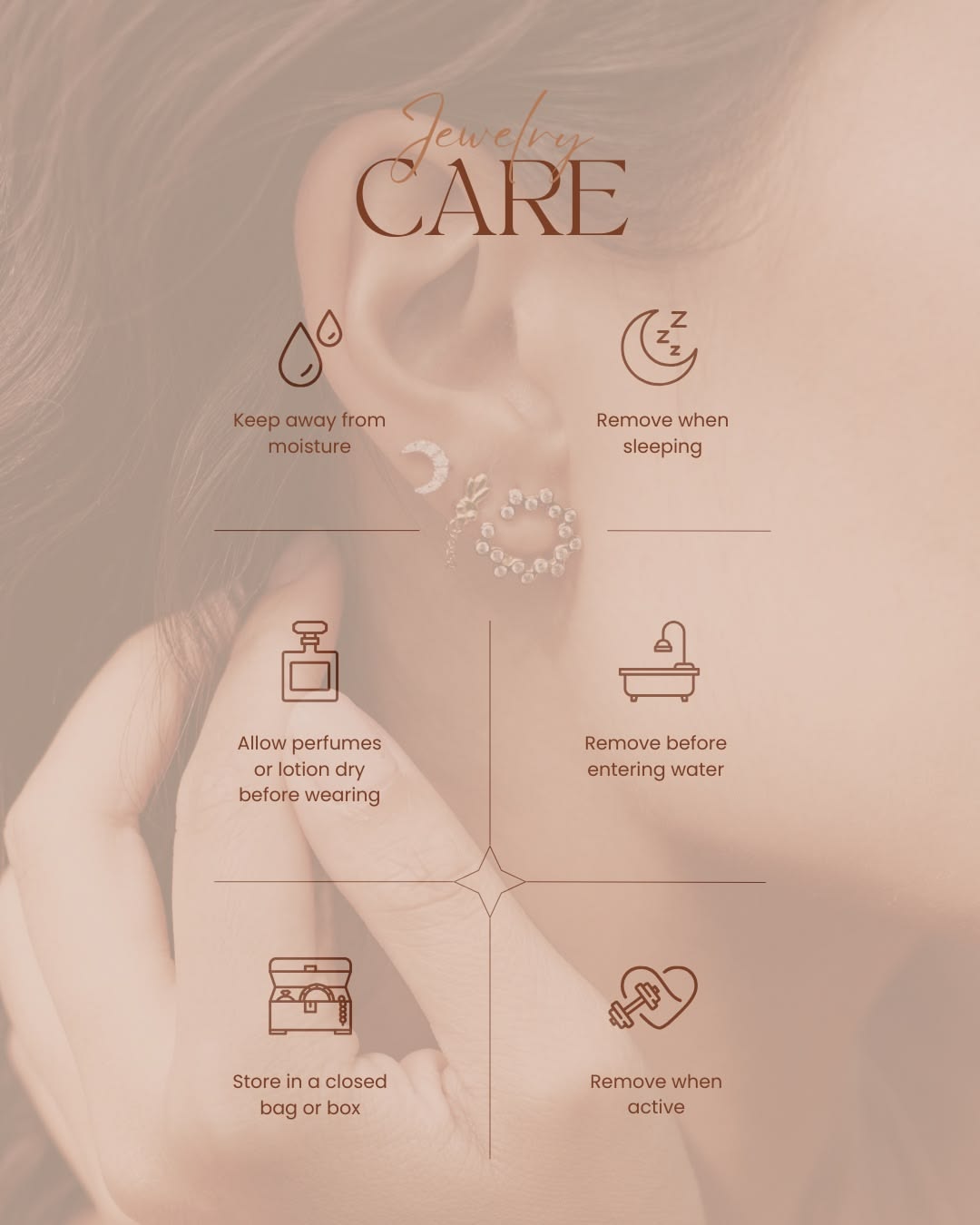
Handmade jewelry is more than just a fashion accessory—it is a reflection of creativity, craftsmanship, and personal style. Every handcrafted necklace, bracelet, earring, or ring is carefully designed by skilled artisans who invest time, patience, and attention to detail into creating something truly unique. Unlike mass-produced jewelry, handmade pieces often carry sentimental value and artistic beauty that make them special additions to any jewelry collection.
Whether your handmade jewelry is crafted from pearls, beads, resin, crystals, gemstones, stainless steel, brass, or other materials, proper care is essential to maintain its beauty and durability. Without the right maintenance, even the finest handcrafted jewelry can lose its shine, become scratched, or suffer damage over time.
The good news is that caring for handmade jewelry doesn’t require expensive products or complicated techniques. A few simple habits can significantly extend the life of your favorite accessories while keeping them looking as beautiful as the day you bought them. In this guide, you’ll learn the best practices for cleaning, storing, protecting, and maintaining handmade jewelry so you can enjoy wearing it for years to come.
Why Proper Jewelry Care Matters
Handmade jewelry is created with delicate craftsmanship, making it different from many factory-made accessories. Since artisans carefully assemble each piece by hand, certain materials may require extra attention during everyday use.
Proper care helps:
- Maintain the original shine and finish.
- Prevent scratches and discoloration.
- Protect delicate components from damage.
- Extend the lifespan of your jewelry.
- Preserve sentimental and monetary value.
Taking a few minutes to care for your jewelry after wearing it can prevent costly repairs or replacements in the future.
Store Handmade Jewelry Correctly
One of the most important aspects of jewelry care is proper storage.
Never throw multiple jewelry pieces into one drawer or box without protection. Necklaces may become tangled, gemstones can scratch each other, and delicate components may bend or break.
Instead, store each piece separately using:
- Soft fabric pouches
- Velvet jewelry bags
- Jewelry boxes with individual compartments
- Small zip-lock bags for travel
- Necklace hooks to prevent tangling
Keeping jewelry organized also makes it easier to find your favorite accessories while reducing unnecessary handling.
Keep Jewelry Away from Water
Although some handmade jewelry materials are water-resistant, frequent exposure to water can reduce the lifespan of many handcrafted pieces.
Remove your jewelry before:
- Showering
- Swimming
- Washing dishes
- Going to the beach
- Exercising
Water can weaken adhesives, damage certain metals, fade colors, and reduce the shine of pearls or beads over time.
Saltwater and chlorinated pool water can be especially harmful to delicate handcrafted jewelry.
Avoid Contact with Perfumes and Chemicals
Many beauty products contain chemicals that may affect the appearance of handmade jewelry.
Perfumes, lotions, deodorants, hairsprays, makeup products, and cleaning solutions can cause discoloration or reduce the finish of metals and decorative components.
A simple rule to follow is:
Apply cosmetics first, then wear your jewelry.
This helps minimize unnecessary chemical exposure while preserving the jewelry’s original appearance.
Clean Jewelry Gently After Every Use
Every time you wear jewelry, it collects natural skin oils, dust, sweat, and tiny particles from the environment.
After removing your jewelry, gently wipe it using a soft microfiber cloth or lint-free polishing cloth.
This simple habit removes dirt before it builds up and helps maintain the jewelry’s natural shine.
Avoid using rough cloths, tissues, or paper towels, as they may create small scratches on polished surfaces.
Use Mild Cleaning Methods
When deeper cleaning becomes necessary, always choose gentle methods.
Mix a small amount of mild soap with lukewarm water and lightly dampen a soft cloth. Carefully wipe the jewelry without soaking it completely.
After cleaning, dry the jewelry immediately using another soft cloth before storing it.
Never use harsh chemicals, bleach, strong detergents, or abrasive cleaning powders on handmade jewelry.
These products may permanently damage delicate materials and decorative finishes.
Handle Handmade Jewelry with Care
Unlike machine-made accessories, handmade jewelry often includes carefully attached decorative elements that deserve gentle handling.
Avoid pulling necklaces forcefully, bending wire designs, or stretching bracelets beyond their intended size.
When removing necklaces or bracelets, always open the clasp instead of pulling them over your head or hands.
Gentle handling significantly reduces the risk of accidental damage.
Protect Jewelry During Travel
Traveling with jewelry requires extra care.
Instead of placing accessories loosely inside your handbag or suitcase, pack them individually.
Travel jewelry organizers with separate compartments work especially well for preventing scratches and tangled chains.
If you don’t have a travel organizer, wrap each piece in a soft cloth before packing.
This simple step keeps your favorite handmade jewelry safe while traveling.
Rotate Your Jewelry Collection
Many people wear the same favorite accessory every day.
Although this is perfectly normal, rotating your jewelry collection helps reduce constant wear on individual pieces.
By alternating between different necklaces, bracelets, earrings, and rings, you allow each accessory to rest between uses.
This habit can significantly increase the lifespan of your jewelry.
Know the Materials Used
Different handmade jewelry materials require different care routines.
For example:
- Pearl jewelry should be stored separately because pearls scratch easily.
- Resin jewelry should be protected from prolonged direct sunlight.
- Beaded jewelry should be handled gently to avoid thread damage.
- Stainless steel jewelry generally requires minimal maintenance.
- Crystal jewelry benefits from occasional polishing with a soft cloth.
Understanding the materials used in your jewelry allows you to care for each piece appropriately.
Inspect Jewelry Regularly
Every few weeks, examine your handmade jewelry for signs of wear.
Check:
- Clasps
- Jump rings
- Wire wrapping
- Bead threads
- Stone settings
- Connectors
Finding small problems early often prevents larger repairs later.
If something appears loose or damaged, avoid wearing the jewelry until it has been repaired.
Common Mistakes to Avoid
Many people accidentally shorten the lifespan of their jewelry by making simple mistakes.
Avoid these habits:
- Sleeping while wearing jewelry.
- Spraying perfume directly onto accessories.
- Wearing jewelry during sports or gym workouts.
- Leaving jewelry in direct sunlight for long periods.
- Storing multiple pieces together without protection.
- Cleaning jewelry with harsh household chemicals.
Replacing these habits with proper care routines helps maintain both beauty and durability.
Why Proper Care Is Worth the Effort
Handmade jewelry is often created with exceptional craftsmanship and artistic dedication.
Unlike mass-produced accessories, every handcrafted piece reflects hours of creative work and careful finishing.
Proper maintenance protects not only your investment but also the sentimental value attached to meaningful gifts, custom pieces, and cherished collections.
With just a few minutes of care, your favorite jewelry can remain beautiful for many years.
Conclusion
Handmade jewelry deserves thoughtful care because every piece represents creativity, quality, and skilled craftsmanship. Whether you own elegant pearl necklaces, colorful beaded bracelets, handcrafted earrings, or personalized rings, following a simple care routine can help preserve their beauty and durability for years.
Proper storage, gentle cleaning, protection from water and chemicals, careful handling, and regular inspection are all essential habits that keep handmade jewelry looking its best. These small efforts not only extend the life of your accessories but also protect the memories and emotions attached to them.
By treating your handcrafted jewelry with care and respect, you ensure that every piece continues to shine beautifully and remains a timeless part of your collection. Handmade jewelry is more than an accessory—it is a work of art, and with proper maintenance, it can be enjoyed and treasured for generations.